The long reign of minimalism—with its thin lines,
lightweight forms, and obsession with visual restraint—has begun to fade in
2026. In its place, a more physical, emotionally grounded design language is
taking hold: fat furniture. This movement is not merely about oversized
objects, but about expanding the emotional capacity of interior spaces. Homes
are no longer expected to look tidy alone; they are expected to feel
protective, comforting, and present.
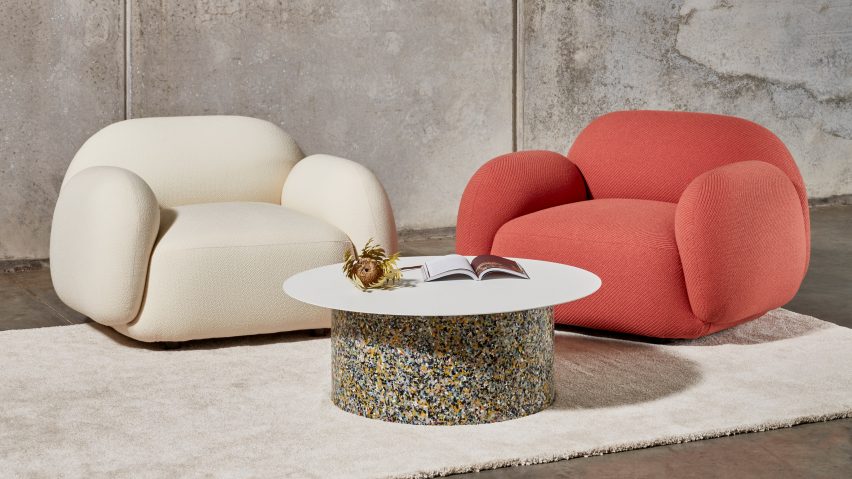
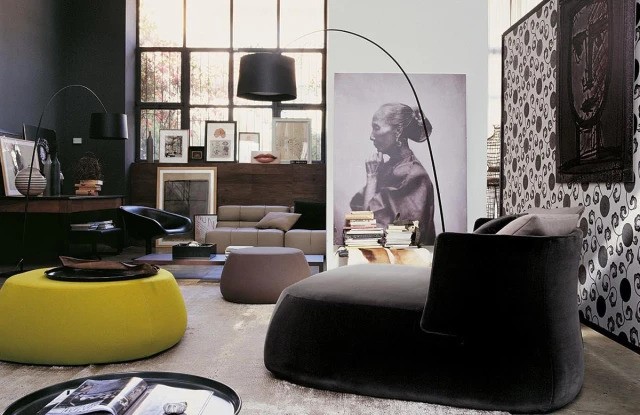
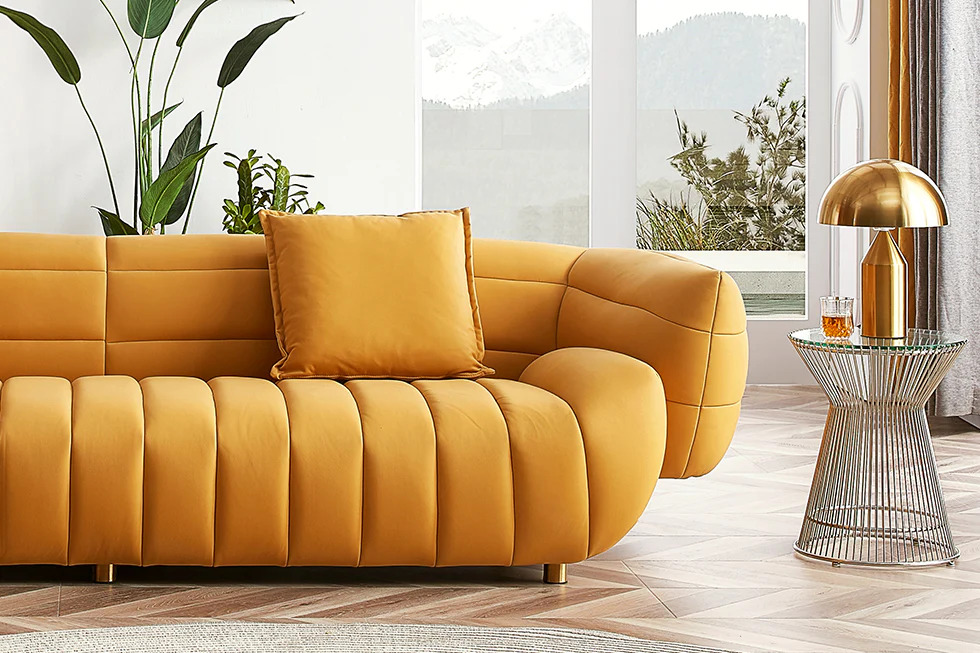
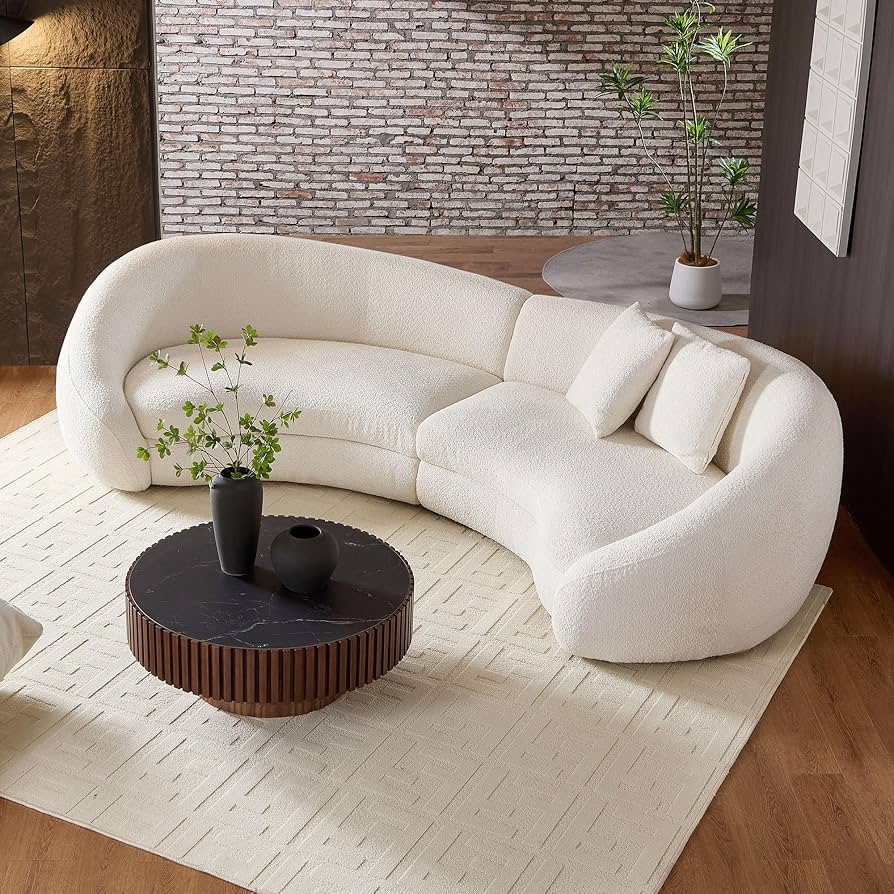
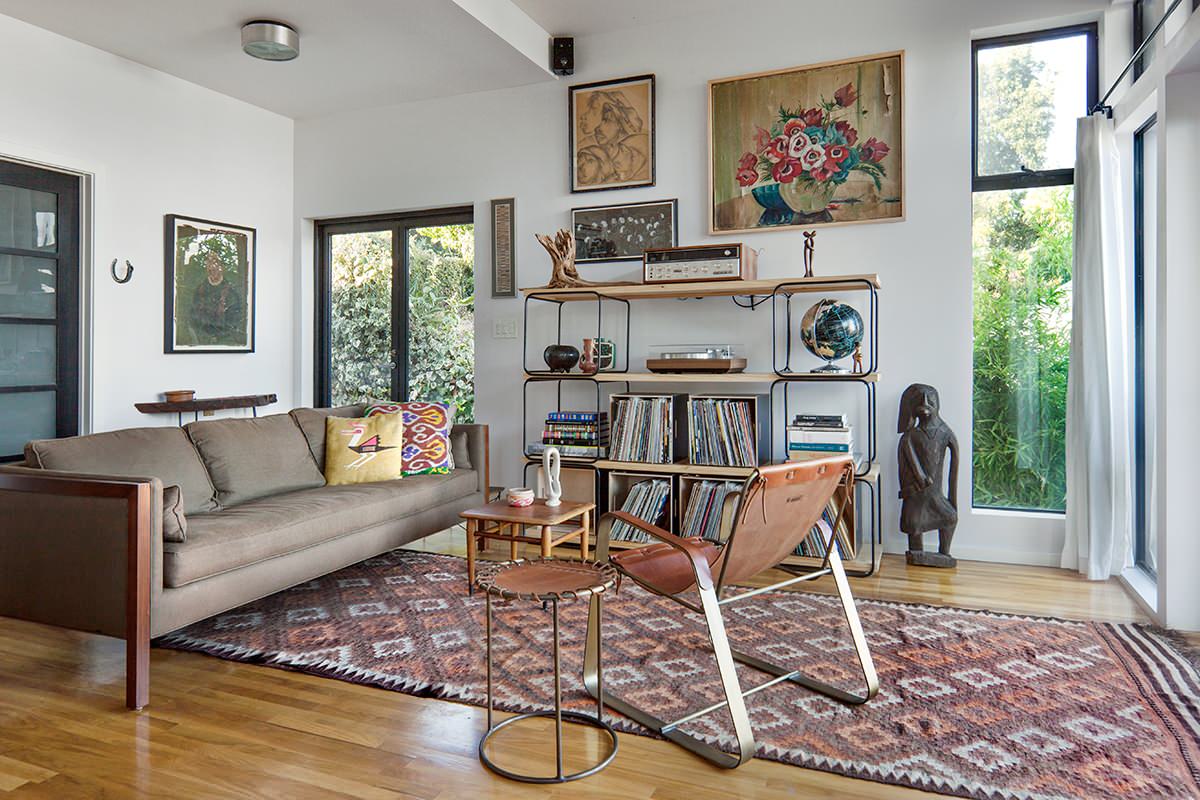
Fat furniture is defined by generous silhouettes, rounded edges, low yet voluminous forms, and a deliberate sense of weight. Sharp corners give way to soft transitions, and design begins to speak the language of safety and ease. Slender metal legs are replaced by solid bases and tactile surfaces. These pieces do not disappear into the background; they occupy space with confidence, almost as if they possess a physical presence rather than functioning as neutral objects.
The rise of this aesthetic is no coincidence. Our relationship with domestic space has fundamentally shifted. By 2026, homeowners expect more than visual harmony from their interiors; they seek emotional reassurance. Fat furniture responds to this demand by making comfort visible. Excess is no longer treated as a flaw, but as intention. Volume becomes the new marker of luxury and care.
Rather than signaling opulence through shine or ornament,
fat furniture communicates quiet confidence. Textural richness takes precedence
over gloss, with materials such as bouclé, velvet, and dense woven fabrics
leading the way. The color palette remains warm and grounding—creams, stone
hues, earthy tones—occasionally punctuated by a single, bold accent that
anchors the space without overwhelming it. Integrating fat furniture into an interior requires
restraint. These pieces resist overcrowding and demand room to breathe. A
single oversized sofa, a low, solid coffee table, or a sculptural armchair can
define the entire atmosphere of a room. The key lies not in abundance, but in
intentional simplicity. Space, when left open, becomes part of the design
itself.
In 2026, refined taste has not disappeared; it has evolved.
Subtlety is no longer found in visual lightness, but in the courage to
prioritize comfort. Fat furniture reminds us that what once seemed “too much”
is often what feels most human. Sometimes, for a home to truly support us, it
needs to take up a little more space.