There are homes that tell an old story even when everything
inside them is new. This has little to do with furniture and everything to do
with memory pieces placed within the space. Designers inspired by the Balkans
work precisely with this sense of memory. Their objects do not merely decorate
a home; they settle into it.
The return of Balkan aesthetics to interiors is not driven
by nostalgia. On the contrary, it is a natural response to today’s desire for
spaces that are pared down yet personal. Balkan motifs do not seek attention.
Their presence alone is enough.
One of the most deeply rooted representatives of this
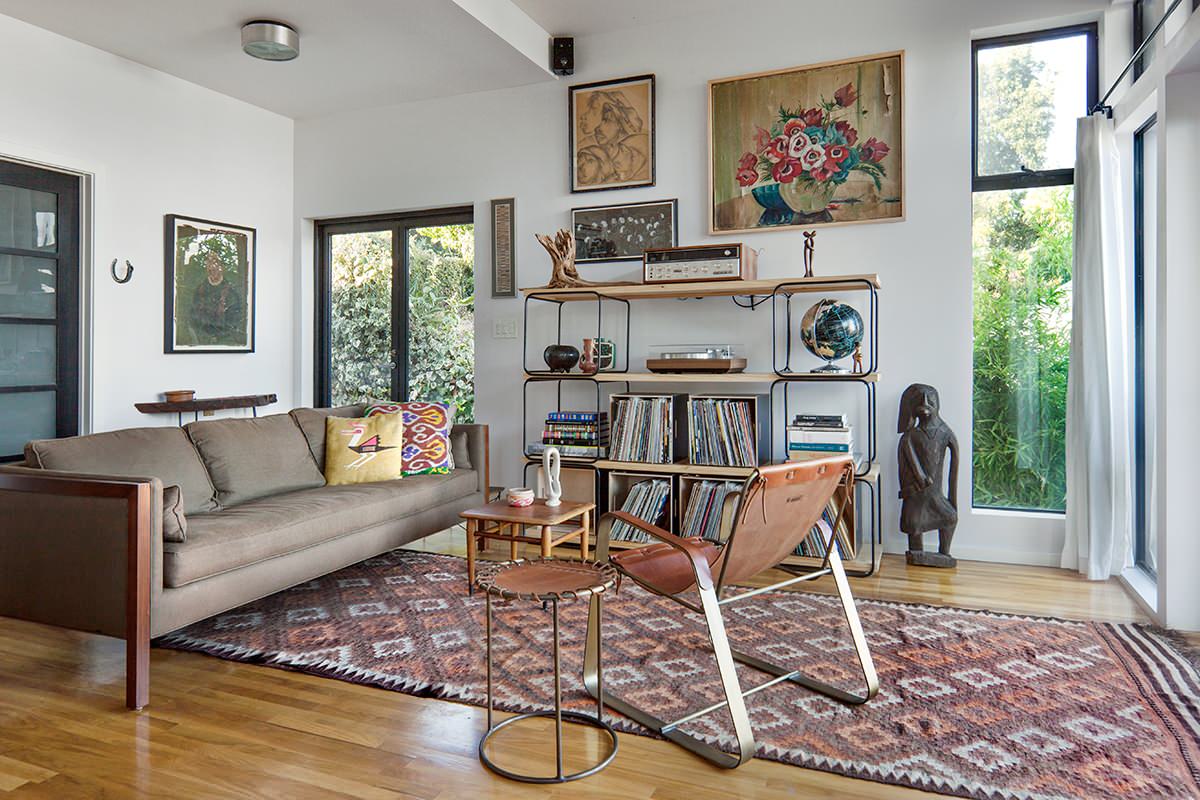
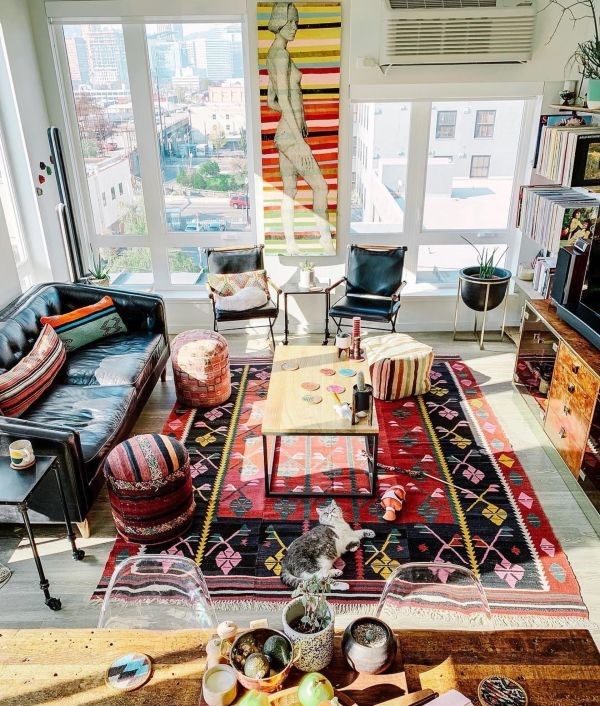
approach is the Pirot Kilim tradition. Woven for centuries to cover the floors
of Balkan homes, Pirot kilims now appear in contemporary interiors almost like
standalone art pieces. Sharp geometries, strong symmetry, and saturated colors
hold their ground against concrete or wooden floors. These kilims modernize
without becoming tame; they retain their character.
A similar awareness can be seen in the work of Nanimarquina.
Rather than directly copying Balkan and Eastern European weaving traditions,
the brand distills them. Motifs become finer, colors calmer, patterns more
breathable. The result is a collection of rugs that coexist effortlessly with
modern architecture while still acknowledging their roots. They demonstrate how
Balkan aesthetics can live in today’s homes without losing their essence.
Bosnia-based GUR takes another thoughtful approach by
preserving the human imperfections of hand weaving and placing them within
contemporary interiors. In GUR’s pieces, the Balkan spirit does not announce
itself loudly; it quietly spreads through the space. This subtlety allows their
designs to become lasting elements of a home rather than temporary decorative
accents.
What unites designers inspired by the Balkans is their lack
of interest in filling a space. Their work is restrained yet impactful. A
single kilim, a woven wall piece, or a textile object establishes balance on
its own. These designs do not crave company. In fact, they are often strongest
when left alone.
This is precisely why such designs resonate with today’s
homes. People are no longer searching only for spaces that look good, but for
spaces that feel personal. Balkan aesthetics meet this need effortlessly. They
are not anonymous. They carry the trace of a hand, a sense of time, and a
tangible connection to the past.
When a Balkan-inspired piece enters a home, decoration does
not end; the home begins. That piece does not fade or become outdated. Instead,
it slowly integrates into the home’s story.
From an editor’s perspective, Balkan-inspired designs never
feel like trends. They settle in. And what settles in rarely leaves.