Fashion changes every season; memory endures. Designers
inspired by Balkan aesthetics are deeply concerned with this sense of
permanence. For them, a motif is not decoration, a color is not a trend, and a
silhouette is not a passing whim. Fabric becomes a cultural carrier on the
body.
Aesthetics rooted in the Balkans never feel light in
fashion. They are sharp, angular, sometimes distant — and precisely for that
reason, powerful. The heritage of this region does not ask to be romanticized;
it demands to be interpreted. The most successful contemporary designers are
those who transform this legacy rather than replicate it.
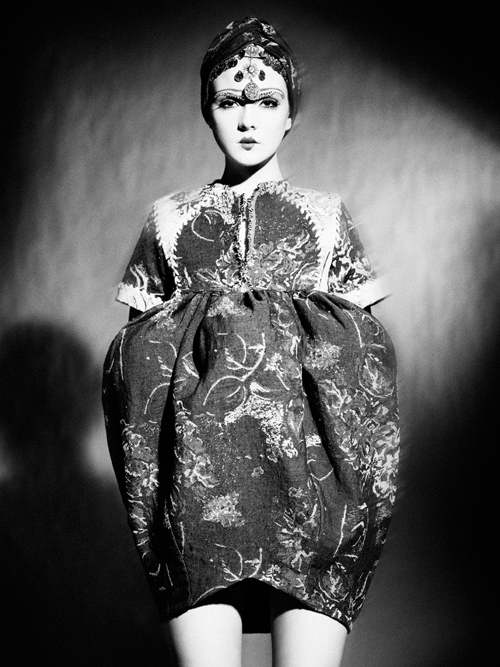
One of the most refined examples of this approach in
contemporary fashion is Roksanda Ilinčić. Folklore is not immediately
visible in her work, yet the bold color blocking, strong shoulders, and
sculptural forms clearly echo the character of the Balkans. Her designs stand
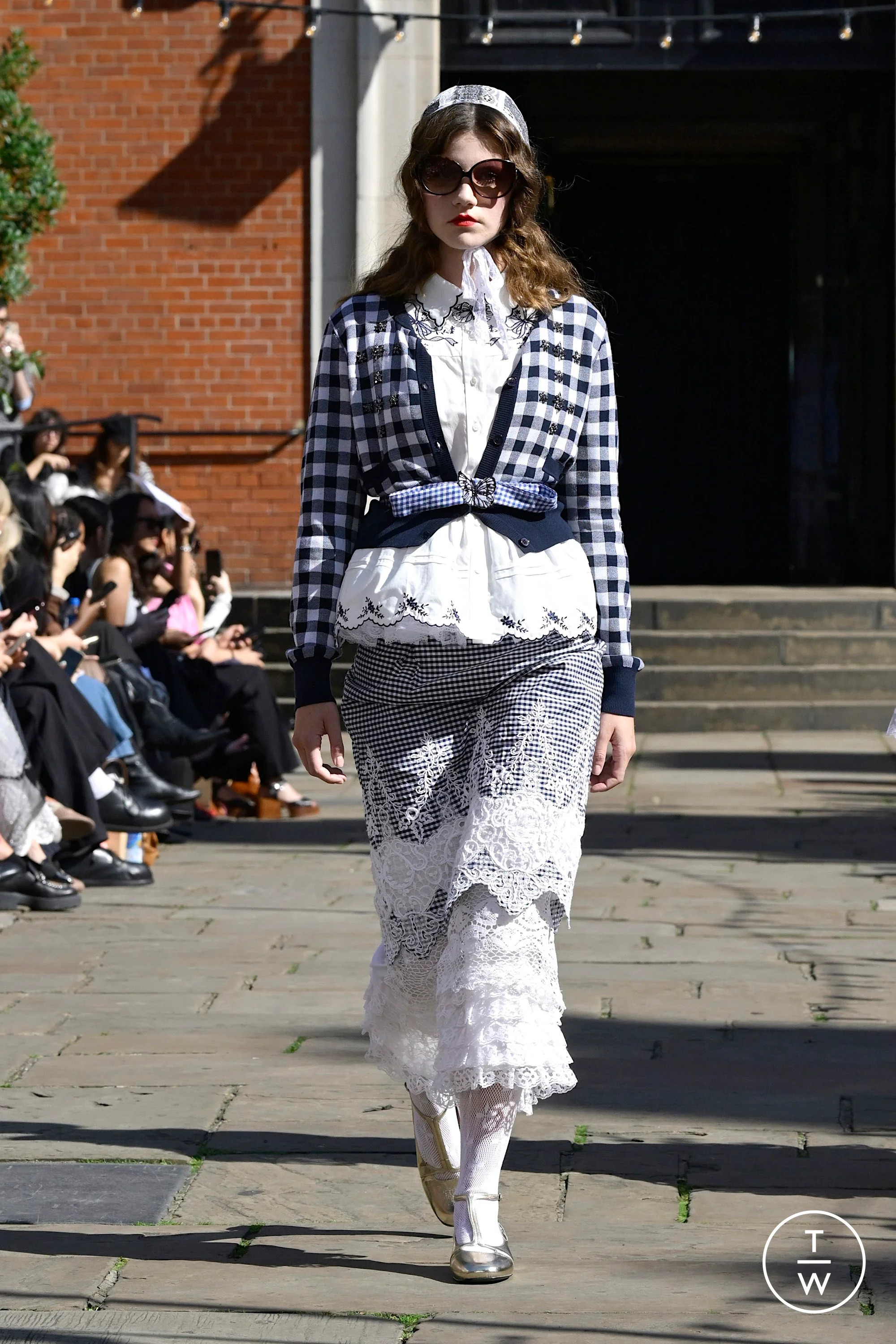
like Balkan women themselves: quiet, but unwilling to step back. In a similar vein, Bora Aksu explores Balkan and
Ottoman memory through a romantic sense of melancholy. Lace, layering, and
hand-crafted details are translated into a contemporary fashion language. In
his collections, Balkan aesthetics are not harsh but fragile — a fragility that
speaks not of weakness, but of historical refinement.
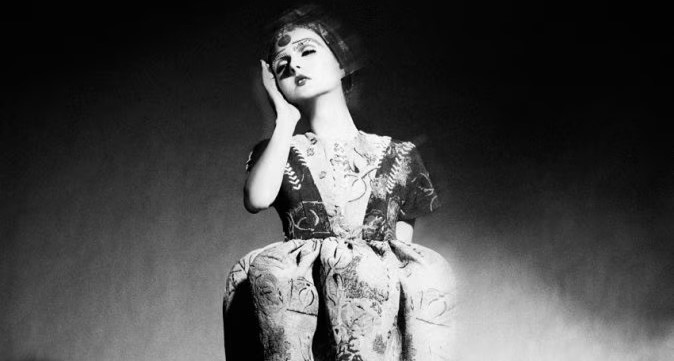
Approaching Balkan inspiration through a more narrative and
symbolic lens, Ivana Pilja transforms mythology, folklore, and
traditional costumes into garments that feel like wearable stories. In her
work, motifs are not decorative elements but a conceptual language.
What unites these designers is their refusal to treat Balkan
aesthetics as an exoticized image of the “East.” Instead, they engage with it
as a personal territory of memory. Motifs are enlarged, sharpened, or fully
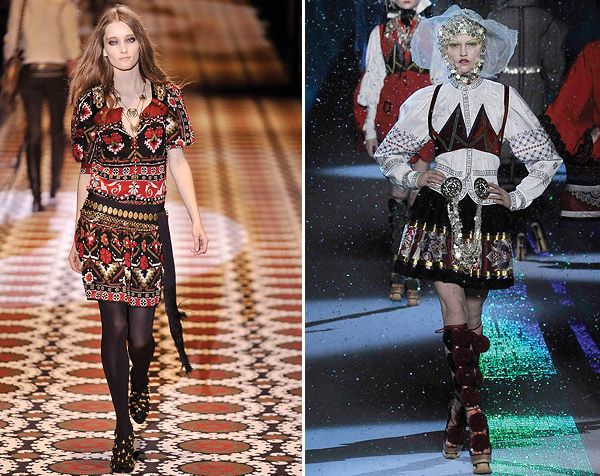
abstracted, but never denied. In fashion, Balkan influence is often striking because it is
carried on the body. A pattern that whispers in a kilim begins to speak when
worn as clothing. Strength, resistance, identity, and history become
simultaneously visible. For this reason, Balkan aesthetics in fashion always
carry a sense of challenge. They resist neutrality.
As identity regains importance in contemporary fashion,
Balkan-inspired designs are becoming increasingly visible. Their claim to
timelessness comes not from trends, but from history. The feeling of handcraft,
the acceptance of imperfection, and a certain rawness are gaining value in an
increasingly polished fashion world. From an editorial perspective, designers working with Balkan
aesthetics do more than beautify fashion; they deepen it. They turn clothing
into a form of expression and the body into a narrative space.